ISSA Uzbekistan / The Largest Sculpture Event in Central Asia
From June 1 to 26, 2026, the 5th “Tashkent 2026” International Sculpture Symposium, also known as the ISSA
Uzbekistan Station, was held at the Tashkent Metallurgical Plant. It became one of the most important sculpture
events in Central Asia and served as a vital platform for creative exchange among international masters of sculpture.
The symposium was jointly organized by the Tashkent Metallurgical Plant, the National Committee of the Republic
of Uzbekistan on Ecology and Climate Change, the Academy of Arts of Uzbekistan, the Artists’ Union of Uzbekistan,
and the Tashkent Regional Government. The project aimed to promote international cultural cooperation,
disseminate environmental awareness through art, and contribute to the development of a contemporary
artistic environment.

For the first time in the history of international sculpture symposia in Uzbekistan, the Tashkent Metallurgical
Plant served as the main production site, bringing together artistic creativity, industrial capacity, and environmental
themes. Participants were provided with modern working conditions, necessary equipment, and technical support,
as well as the opportunity to create works using natural stone and metal.
The 26-day symposium brought together 18 sculptors from Uzbekistan, as well as from Italy, France, China, Türkiye,
and Georgia. Ibragimov Valikhodjaev, Chairman of the Artists’ Union of Uzbekistan, provided full support for the
symposium and personally supervised its preparation and implementation. The project was curated by Nasima
Djuraeva, Director of the International Department of the Artists’ Union. Batyr Hakimov, a member of the
Artists’ Union, and Khojiakbar Yuldashev, staff member of the Artists’ Union, provided technical support and
practical assistance for the implementation of the project.
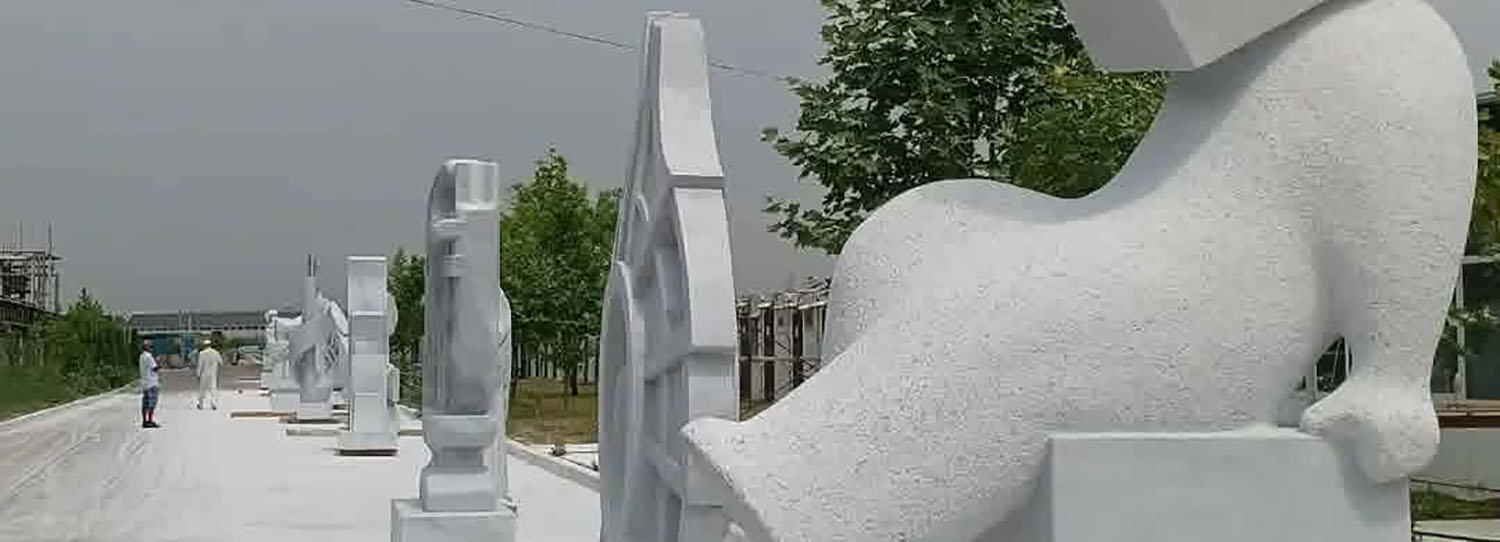
A total of 18 large-scale artworks were completed through this collaborative creation process, including 14 stone
sculptures and 4 metal artworks. The use of metal became an important innovation of this symposium, opening up
a new direction for the development of contemporary large-scale sculpture in Uzbekistan.
The artistic concepts proposed by the participants focused on the relationship between humanity and nature,
environmental protection, ecological responsibility, the harmonious coexistence of society and the natural
environment, and the role of art in shaping contemporary ecological awareness and culture.
The symposium featured a rich program, including professional meetings, master classes, creative discussions,
and exchanges of experience among artists from different countries. As part of the cultural program, participants
gained an in-depth understanding of Uzbekistan’s rich historical and artistic heritage. They visited Samarkand,
renowned for its world-famous architectural ensembles, and explored the modern landscape of Tashkent, visiting
numerous cultural and historical landmarks, including the Center of Islamic Civilization. These activities enabled
participants to gain a deeper understanding of the long-standing traditions of Uzbek art and its contemporary
development trends.

The 5th “Tashkent 2026” International Sculpture Symposium fully demonstrated the productive cooperation
among government institutions, industrial enterprises, and the artistic community. The implementation of the
project helped strengthen international cultural relations, expand professional dialogue, and enhance Uzbekistan’s
image as an open country actively participating in large-scale international art events.
The artworks created during the symposium enriched the collection of contemporary large-scale sculpture and
made an important contribution to the development of public spaces in the Tashkent region. The symposium
once again confirmed Uzbekistan’s great potential as a center for international artistic exchange and as a hub
for the development of creative cooperation among countries around the world.


Contributed by: Ibragimov Valikhodjaev, ISSA Uzbekistan Committee Member
Editor-in-Chief: Liu Qin
English Editor: Sun Ya'nan
Legal Advisor: Tao Ran'ting


 Dion International Sculpture Symposium
 Aljazair intermational sculpture symposium
 Metalové sculpture symposium
 Al-Bireh International Sculpturing Symposium
 First floating sculpture park
 I Ko Ko Stone Sculpture Symposium
 Taiwan Wood Sculpture Creation Camp
 Unplugged Stone Sculpture Symposium
 Hebei Academy of Fine Arts International Campus Public An Symposium
 "Discovery Journey" Stone Carving Symposium
 world wood day
 Al-Khadra International Sculpture Symposium
 Jalisco Brotherhood International Symposium
 Apastepeque Sculpture Symposium
 The Tashkent International Sculpture Symposium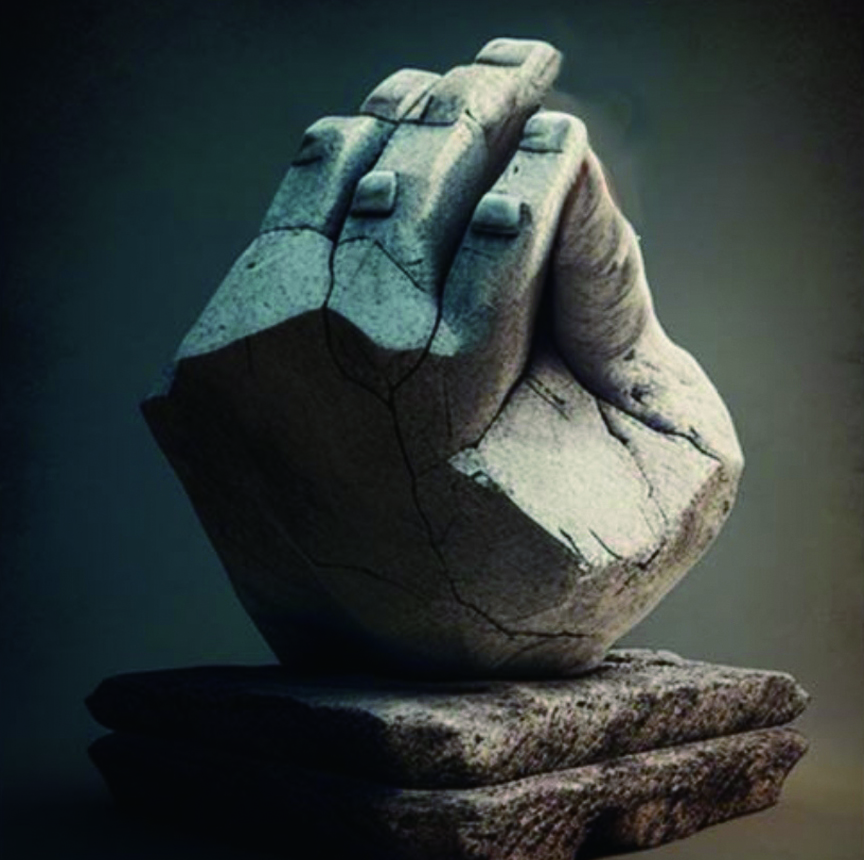
 I Guancasco Internacional de Escultores
 Punta del este International Sculpture Symposium
 Mind Tree School sculptue symposiums
 Gurjaani International Sculpture Symposium
 China (Hui'an) Sculpture Art Festival
 Lingezegen sCULpTUUR International Sculpture Symposium
 Zipaquirá International sculpture Symposium
 Biennale boundless PEACE international sculpture symposium
 Bhubaneswar. Odisha International Sculpture Symposium
 INTERNATIONAL NORTHERN AEGEAN GÖMEÇ SCULPTURE SYMPOSIU
 SHILPOTSAV SCULPTURE SYMPOSIUM
 Machachi sculpture symposium
 International Sculpture Symposium Bila Tserkva
 TATTVA : An International Sculptors Symposium
 KUŞADASI INTERNATIONAL SCULPTURE SYMPOSIUM
 INTERNATIONAL PROKONESSOS SCULPTURE SYMPOSIUM SPECIFICATION
 the symposium International Sculptor Colony of BiH
 SANTIAGO A CIELO ABIERTO
 stihl sculptors challenge
 “The way of harmony” International public art Symposium
 CILLIUM Symposium-Kasserine
 BKBF International sculpture symposium
 the Carving Stone in Barichara Santander
 Simposio Internacional de Escultura Tupiza
 International Sculpture-Art and Tradition Symposium
 The Roots – International Sculpture Symposium Aš
 Al Asmakh International Sculpture Symposium
 Symposium International De Sculpture
 Os Sculpture Symposium
 Sculptors Camp
 Montenegro International Sculpture Symposium
 International Cyprus Symposium
 African Stones Talk Symposium
 Kuwait International Symposium
 International Symposium of Monumental Stone Sculpture of Jezzine City
 Artifex
 Urumqi International Sculpture Symposium
 International Sculpture Symposium Pájara
 Rio Maior International Sculpture Symposium
 Santa Maria International Sculptors Symposium
 "Quotidiana Bellezza” International Art In Nature Symposium
 VSTB Waregem Sculpture Symposium
 Tuwaiq International Sculpture Symposium
 Julienne
 Ringkoebing
 PVISS
PVISS
 Torbali Vocational school
 Kish Island
 TABRIZ
 Ahvaz
Ahvaz
 Sculptors@Crystal Lake
 LANDEK
 Chuvashia
 Berane
 Friuli Venezia Giulia
 Israel
 Morocco
 Guadalajara
 Transcarpathian
 WCAS
WCAS
 BUC
BUC
 Tehran
 Stainless Steel
 Bisanthe

 Tonghe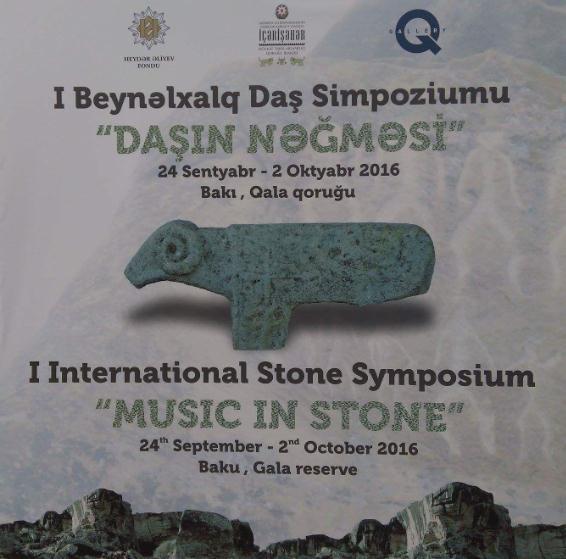
 Music in Stone
 Mediterranean
 Ostraka
 Sao Jose-SC
 West Rutland Art Park
 Prime Mall
 Trentino
 Damascus
 Unterbach
 Tudela de Duero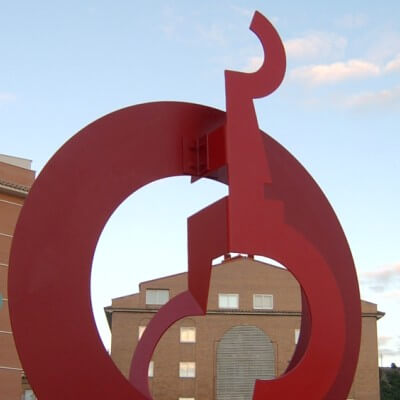

 Sumadijagranit
 penza
penza
 RISSC
RISSC
 Portugal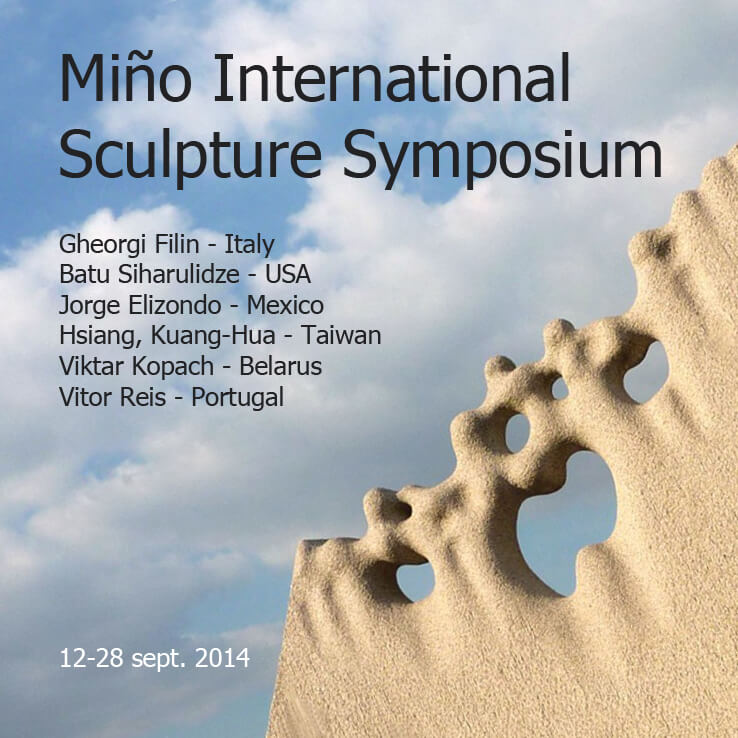

 Te Kupenga
 OISSR
OISSR
 Nepal
Nepal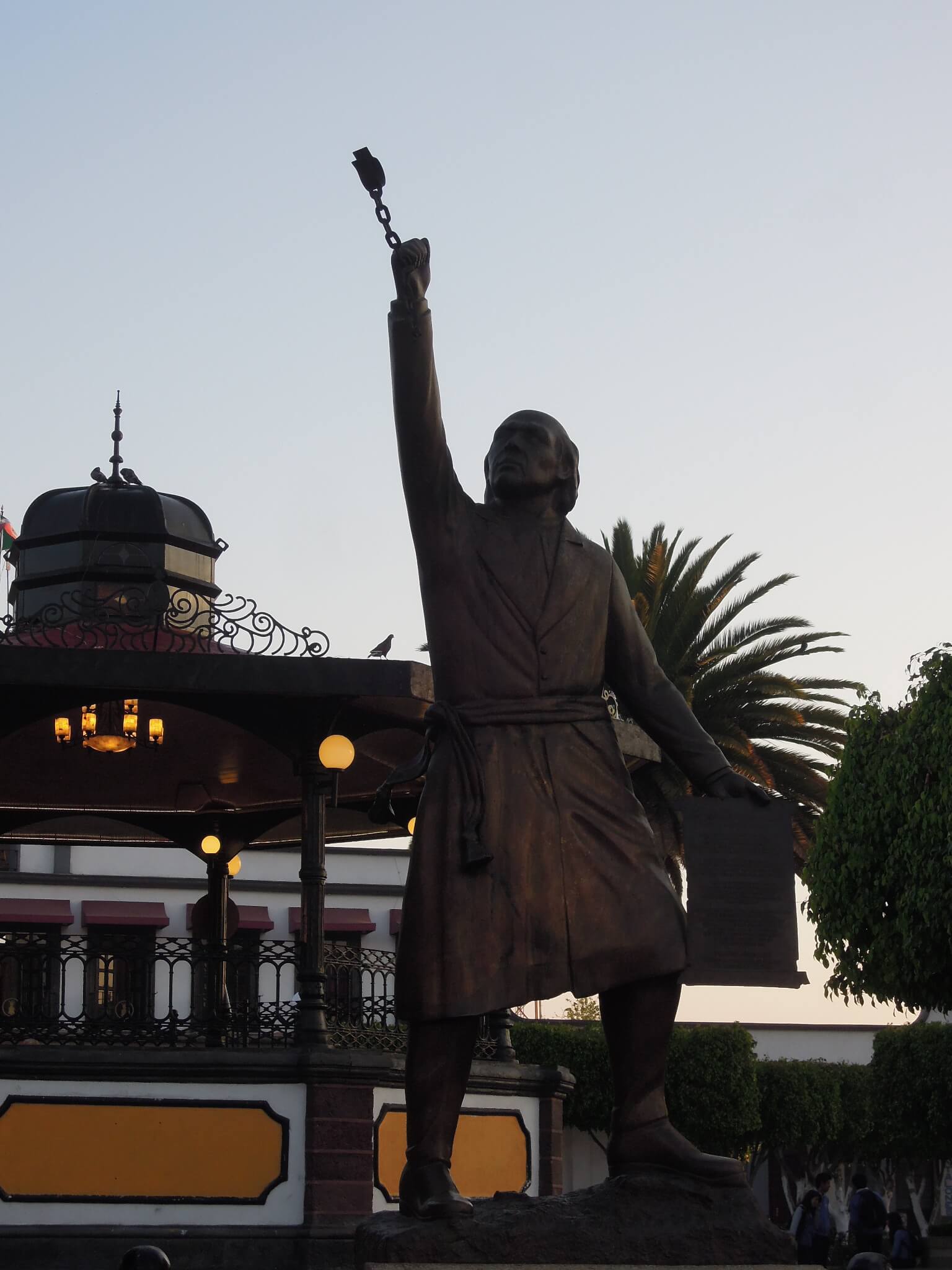
 Tultepec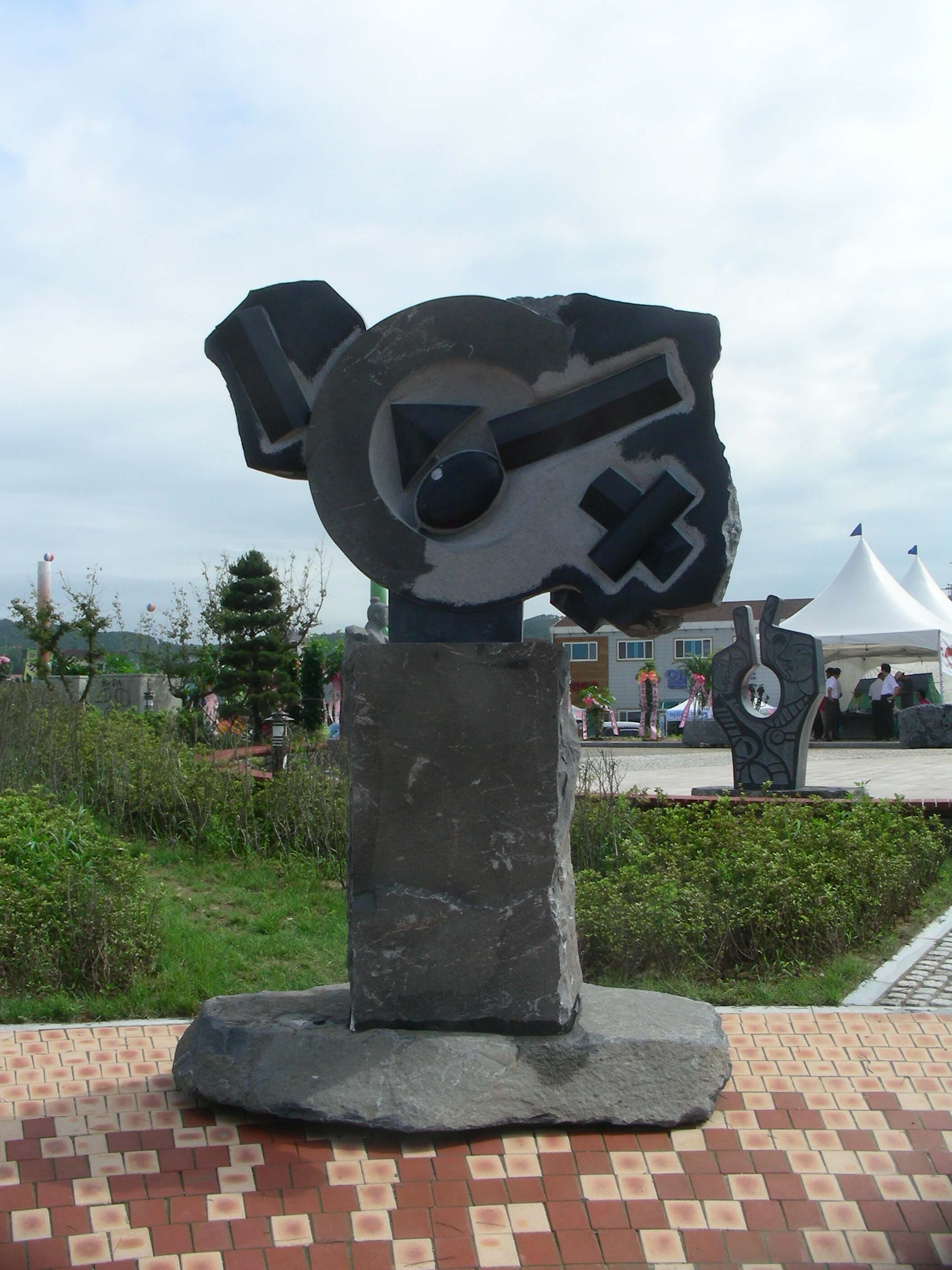
 Boryong
 Yukuhashi
 Uttarayan Art Foundation

 Kunstduenger E.V.
 Rustavi
 Taches-Taches
 Arctic Arts Week

 Hoyer
Hoyer
 Ayia Napa
 Tongling


 Nuestros Parques
 CSQ
CSQ
 Santa Cruz de la Sierra
 TACZ
TACZ
 Griffith
 Roldan
 Spinetoli