ISSA Bosnia and Herzegovina / KORNICA: A Ten-Year Journey of Art
July 24–August 2, 2026 — The 10th KORNICA International Sculpture Symposium, also known as the ISSA Bosnia
and Herzegovina Symposium, successfully concluded after ten days dedicated to artistic creation, education,
international cooperation, and cultural exchange.
Once again, KORNICA brought together artists, professors, students, cultural professionals, and visitors from Bosnia
and Herzegovina, Croatia, Slovenia, Serbia, and other countries in the region. Organized by the Croatian Cultural and
Sports Association KORNICA, the symposium has developed over the past decade into a well-known international
cultural event. Its mission is to promote contemporary art, encourage cross-border cooperation, and create a lasting
artistic legacy in the Posavina region of Bosnia and Herzegovina.

Artists and Artistic Creation
This year’s symposium welcomed eight renowned artists from Bosnia and Herzegovina, Croatia, Slovenia, and
Serbia: Borjana Mrđa, Boštjan Kavčič, Fedor Vučemilović, Nedim Hadžiahmetović, Ilija Kegelj, Marko Lađušić, Željko
Koren, and Boris Orenčuk.
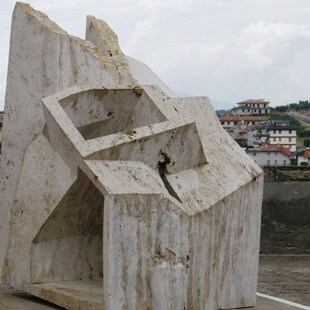
During the symposium, the artists worked in a variety of media and materials, including stone, metal, wood, and
painting. Visitors had the opportunity to observe the creative process up close, communicate with the artists, and
personally experience the evolution of the artworks.
The sculptures created during the symposium will remain permanently in KORNICA, becoming part of a future
contemporary sculpture park. Meanwhile, the paintings and smaller sculptural works will enrich the symposium’s
growing art collection.

Opening Ceremony and New Partnerships
The official opening ceremony began with a Mass at St. Joseph Church, presided over by Fra Zdravko Dadić, Provincial
Minister of the Franciscan Province of Bosnia Srebrena. The event then continued at Ribnjak in KORNICA, attended
by artists, representatives of cultural institutions, partners, supporters, and guests.
One of the highlights of the event was the signing of a cooperation agreement between the Croatian Cultural and
Sports Association KORNICA, the National Gallery of Bosnia and Herzegovina, the Academy of Fine Arts of the
University of Mostar, and the Academy of Applied Arts in Priština. The agreement aims to establish long-term
cooperation for the joint development of the symposium, with particular focus on the newly launched Master
Workshop.
During the ceremony, Petar Lušo, President of the Croatian Cultural and Sports Association KORNICA, received
a medal from Strajo Krsmanović, Director of the National Gallery of Bosnia and Herzegovina, in recognition of
his outstanding contribution to the development of art and cultural cooperation.
Žana Ćorić from the Central State Office for Croats Abroad of the Republic of Croatia officially opened the symposium.

Master Workshop — A New Chapter
One of the major highlights of the 10th symposium was the introduction of the Master Workshop, an educational
program designed for students from art academies across the region.
Students worked side by side with renowned artists and professors, gaining hands-on experience, exchanging ideas,
and learning directly from experienced professionals. The workshop is planned to become a permanent part of
future symposiums, focusing each year on different artistic media and bringing together new mentors and students
from regional and international art academies.
This initiative marks an important step toward strengthening the symposium’s educational role and deepening
its cooperation with academic and cultural institutions.
Dialogue, Education, and Cultural Exchange
The program also included a panel discussion titled “KORNICA International Sculpture Symposium — Present
and Future,” moderated by art historian Dr. Mirha Šabanović. Artists and representatives of cultural and academic
institutions jointly discussed the symposium’s journey over the past decade, its role in contemporary art, and
opportunities for future development.
The discussion placed special emphasis on artistic freedom, international cooperation, and the importance of
artworks remaining permanently at the place where they were created.
Participants also visited the Jurkić Art Foundry, where artists and students learned about the complex process of
bronze casting, including the traditional lost-wax technique.
The cultural program continued with a visit to the “Bosnian Sanctuary” Museum at the Franciscan Monastery in
Tolisa, offering participants the opportunity to explore the rich cultural, historical, and religious heritage of the
Bosnian Posavina region.
The symposium also hosted an international chess master tournament, continuing its tradition of combining art
with other forms of creativity, strategic thinking, and excellence.

Ten Years of Art, Community, and Vision
On the final day, a professional review was led by Dr. Mirha Šabanović, who followed the artists and their creative
processes throughout the symposium. The event concluded successfully with an exhibition of newly created works
and a ceremony awarding certificates to the participating artists.
Over the past ten years, artists from Bosnia and Herzegovina, Croatia, Serbia, Slovenia, Montenegro, North
Macedonia, and China have participated in the KORNICA International Sculpture Symposium. During this period,
artists have created more than thirty sculptures, as well as numerous other artworks. These works now form
an important art collection and lay the foundation for the future contemporary sculpture park.
Today, the KORNICA International Sculpture Symposium has become a member of the International Sculpture
Symposium Alliance (ISSA), further highlighting its growing international reputation.
The success of the symposium would not have been possible without the dedication of numerous volunteers,
local residents, partners, friends, and members of the Croatian Cultural and Sports Association KORNICA.
Thanks to their efforts, KORNICA becomes a meeting place for art, culture, and community every year.
With the launch of the Master Workshop, the strengthening of international partnerships, and the continued
development of the contemporary sculpture park, the 10th KORNICA International Sculpture Symposium has
opened a new chapter in its development.
In KORNICA, art is no longer merely passing through — it stays, becoming part of the city itself.


Contributed by: Petar Lušo, ISSA Bosnia and Herzegovina Committee Member
Editor-in-Chief: Liu Qin
English Editor: Sun Ya‘nan
Legal Adviser: Tao Ran‘ting

 Dion International Sculpture Symposium
 Aljazair intermational sculpture symposium
 Metalové sculpture symposium
 Al-Bireh International Sculpturing Symposium
 First floating sculpture park
 I Ko Ko Stone Sculpture Symposium
 Taiwan Wood Sculpture Creation Camp
 Unplugged Stone Sculpture Symposium
 Hebei Academy of Fine Arts International Campus Public An Symposium
 "Discovery Journey" Stone Carving Symposium
 world wood day
 Al-Khadra International Sculpture Symposium
 Jalisco Brotherhood International Symposium
 Apastepeque Sculpture Symposium
 The Tashkent International Sculpture Symposium
 I Guancasco Internacional de Escultores
 Punta del este International Sculpture Symposium
 Mind Tree School sculptue symposiums
 Gurjaani International Sculpture Symposium
 China (Hui'an) Sculpture Art Festival
 Lingezegen sCULpTUUR International Sculpture Symposium
 Zipaquirá International sculpture Symposium
 Biennale boundless PEACE international sculpture symposium
 Bhubaneswar. Odisha International Sculpture Symposium
 INTERNATIONAL NORTHERN AEGEAN GÖMEÇ SCULPTURE SYMPOSIU
 SHILPOTSAV SCULPTURE SYMPOSIUM
 Machachi sculpture symposium
 International Sculpture Symposium Bila Tserkva
 TATTVA : An International Sculptors Symposium
 KUŞADASI INTERNATIONAL SCULPTURE SYMPOSIUM
 INTERNATIONAL PROKONESSOS SCULPTURE SYMPOSIUM SPECIFICATION
 the symposium International Sculptor Colony of BiH
 SANTIAGO A CIELO ABIERTO
 stihl sculptors challenge
 “The way of harmony” International public art Symposium
 CILLIUM Symposium-Kasserine
 BKBF International sculpture symposium
 the Carving Stone in Barichara Santander
 Simposio Internacional de Escultura Tupiza
 International Sculpture-Art and Tradition Symposium
 The Roots – International Sculpture Symposium Aš
 Al Asmakh International Sculpture Symposium
 Symposium International De Sculpture
 Os Sculpture Symposium
 Sculptors Camp
 Montenegro International Sculpture Symposium
 International Cyprus Symposium
 African Stones Talk Symposium
 Kuwait International Symposium
 International Symposium of Monumental Stone Sculpture of Jezzine City
 Artifex
 Urumqi International Sculpture Symposium
 International Sculpture Symposium Pájara
 Rio Maior International Sculpture Symposium
 Santa Maria International Sculptors Symposium
 "Quotidiana Bellezza” International Art In Nature Symposium
 VSTB Waregem Sculpture Symposium
 Tuwaiq International Sculpture Symposium
 Julienne
 Ringkoebing
 PVISS
PVISS
 Torbali Vocational school
 Kish Island
 TABRIZ
 Ahvaz
Ahvaz
 Sculptors@Crystal Lake
 LANDEK
 Chuvashia
 Berane
 Friuli Venezia Giulia
 Israel
 Morocco
 Guadalajara
 Transcarpathian
 WCAS
WCAS
 BUC
BUC
 Tehran
 Stainless Steel
 Bisanthe

 Tonghe
 Music in Stone
 Mediterranean
 Ostraka
 Sao Jose-SC
 West Rutland Art Park
 Prime Mall
 Trentino
 Damascus
 Unterbach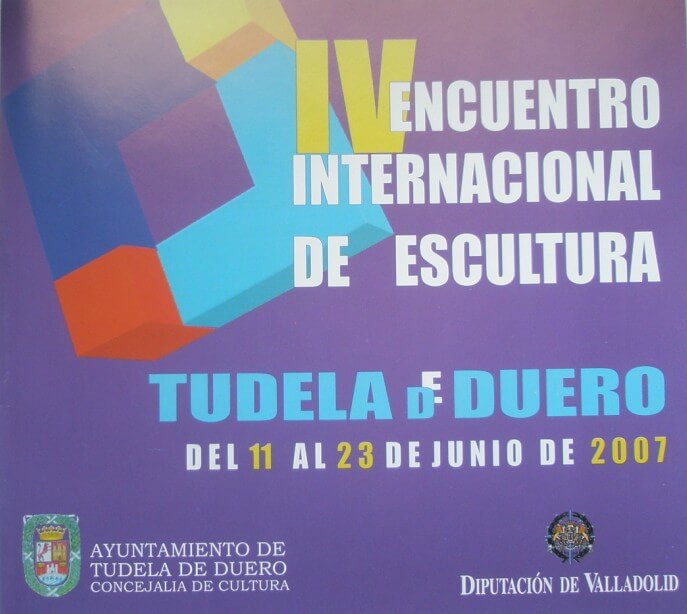
 Tudela de Duero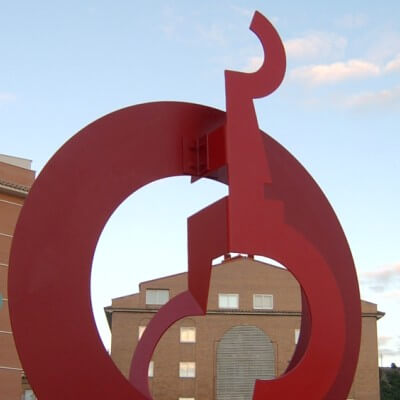
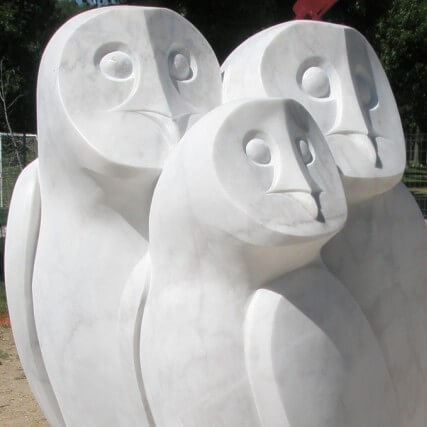

 Sumadijagranit
 penza
penza
 RISSC
RISSC
 Portugal
 Te Kupenga
 OISSR
OISSR
 Nepal
Nepal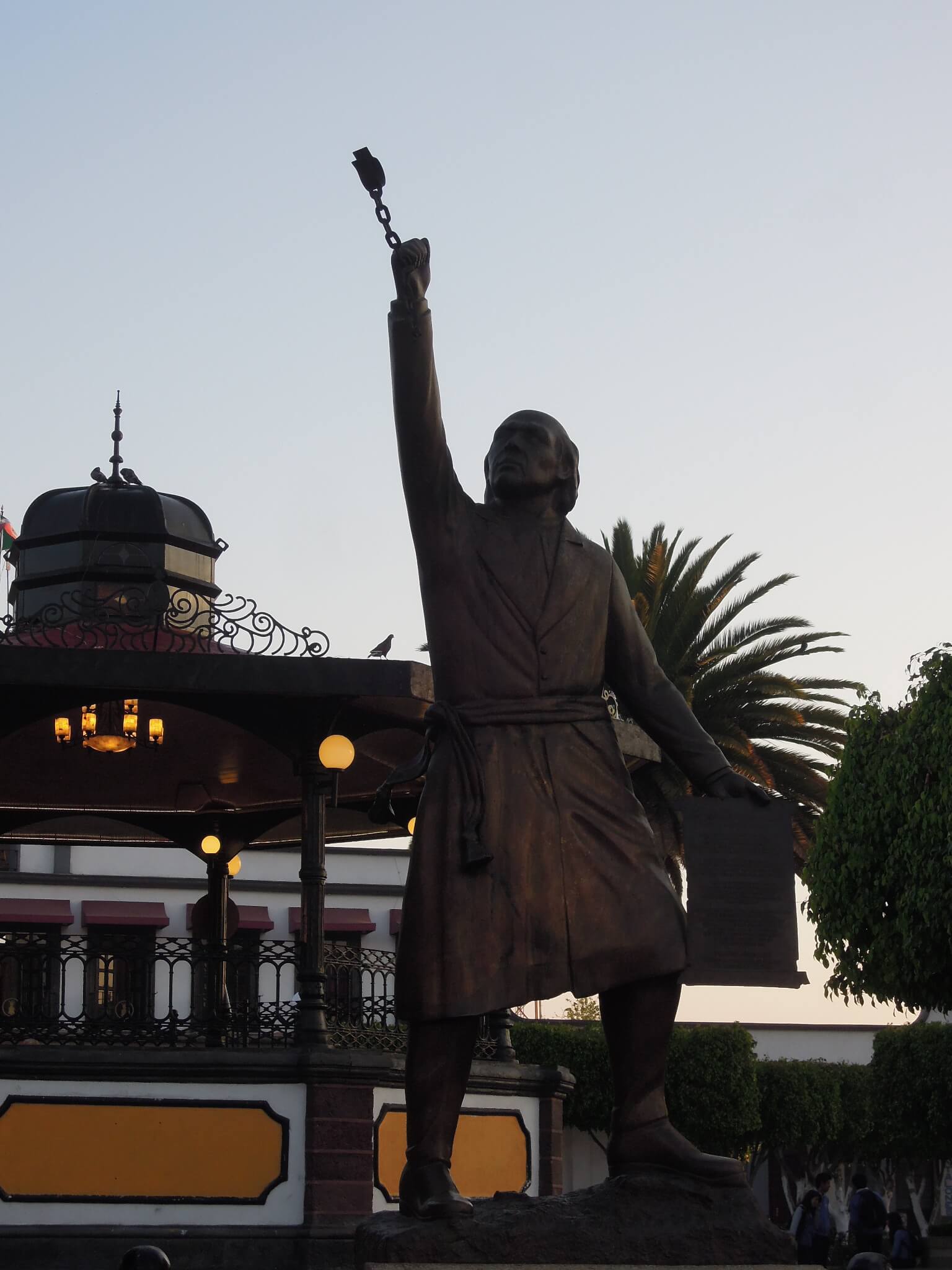
 Tultepec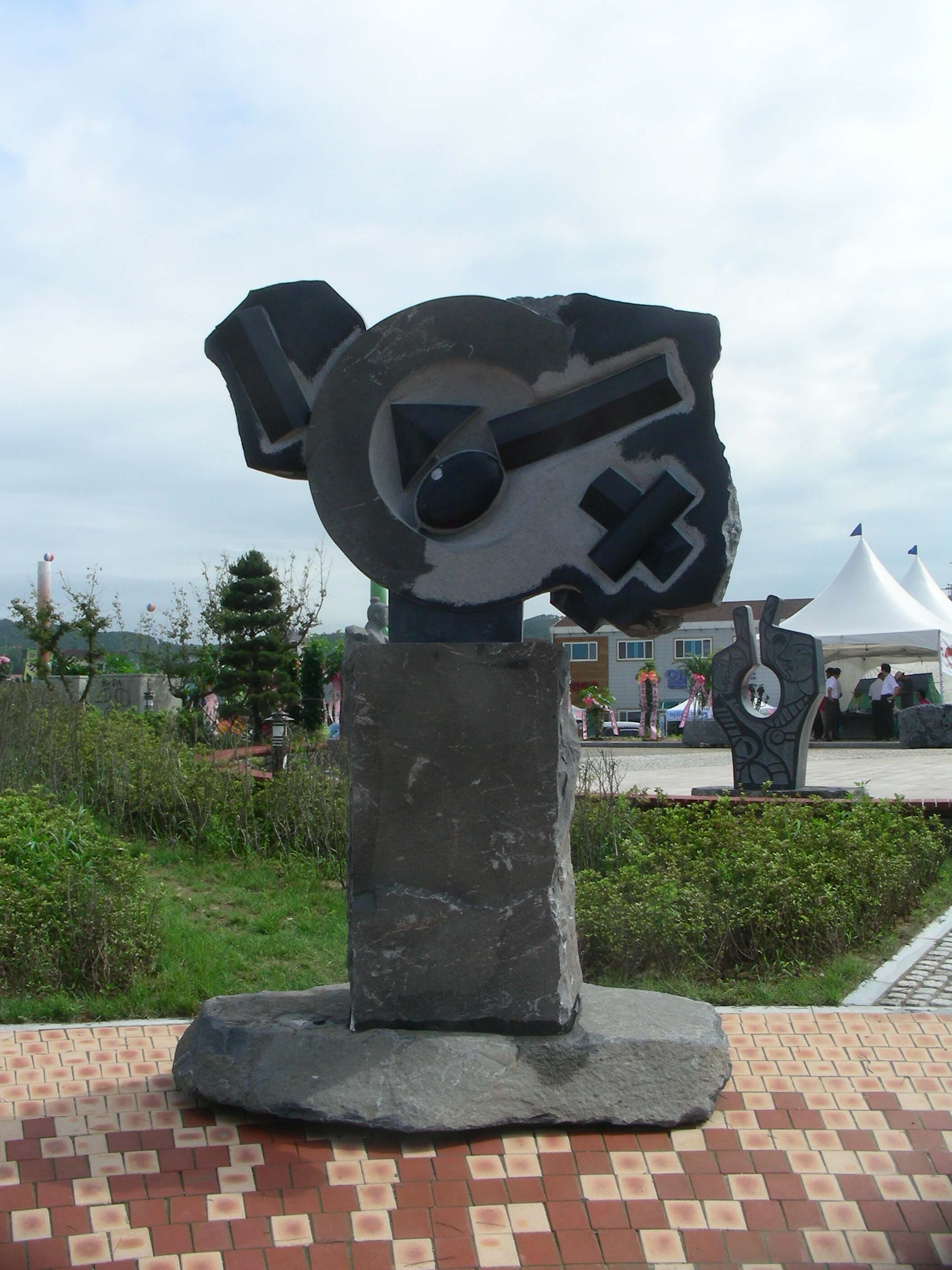
 Boryong
 Yukuhashi
 Uttarayan Art Foundation
 Kunstduenger E.V.
 Rustavi
 Taches-Taches
 Arctic Arts Week
 Hoyer
Hoyer
 Ayia Napa
 Tongling
 Nuestros Parques
 CSQ
CSQ
 Santa Cruz de la Sierra
 TACZ
TACZ
 Griffith
 Roldan
 Spinetoli